Archive number: 49
Title: Crackers
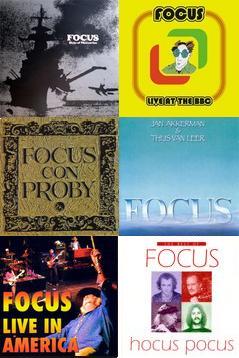
Main Album: Ship of Memories
Track number: 8
Genre: Jazz Funk Instrumental
Studio: Decca Studios, Hollywood, Los Angeles, California (later Studio 55)
Length: 2' 38”
Composer: Jan Akkerman
Musicians: Jan Akkerman – Electric and acoustic guitars; Thijs van Leer – Flute; Bert Ruiter – Bass; David Kemper – Drums
Producer: Focus
Engineer: Eric Prestidge?
Label: LP – EMI, Harvest, Sire CD – EMI-Bovema, IRS, Red Bullet, JVC
Date of recording/release: 1975. Not released until 1977 (LP). CD – 1988, 1993, 2001, 2006
Alternative version: Other longer fluteless versions appear on Akkerman's self-titled 1977 solo album and his live album of the following year. He also brought it out as a single.
Notes: This jazz funk piece by Akkerman features first his acoustic and electric guitars (with some pedal effect employed) then van Leer's flute leading the band (00:00-00:30; 00:31-00:45). This pattern is repeated (00:46-01:13; 01:14-01:29). The electric guitar then leads off on a riff (01:20-01:45) before returning to the original funky style with acoustic and electric guitars (01:46-02:12). A final all electric coda, which then fades, brings the piece to a close (02:13-02:38).
A note on Funk (from Wikipedia)
Funk is an American music style that originated in the mid- to late-1960s when African American musicians blended soul, jazz and R&B into arhythmic, danceable new form of music. Funk de-emphasises melody and harmony and brings a strong rhythmic groove of electric bass and drums to the foreground. Unlike R&B and soul, which have many chord changes, funk songs are often based on an extended vamp on a single chord. Like much African inspired music, funk typically consists of a complex groove with rhythm instruments such as electric guitar, bass, Hammond organ and drums playing interlocking rhythms. Funk bands also usually have a horn section, which plays rhythmic "hits". In funk bands, guitarists typically play in a percussive style, often using the wah-wah sound effect and muting the notes in their riffs to create a percussive sound. Influential funk performers include James Brown, George Clinton, Curtis Mayfield, etc. The 1970s was probably the era of highest mainstream visibility for funk music. Notable 1970s funk bands include Earth Wind and Fire, The Commodores and Kool and the Gang, though many of these most famous bands in the genre also played disco and soul extensively. Funk music was a major influence on the development of 1970s disco. In the 1970s, jazz music drew upon funk to create a new subgenre of jazz-funk, which can be heard in 1970s recordings by Miles Davis and Herbie Hancock.